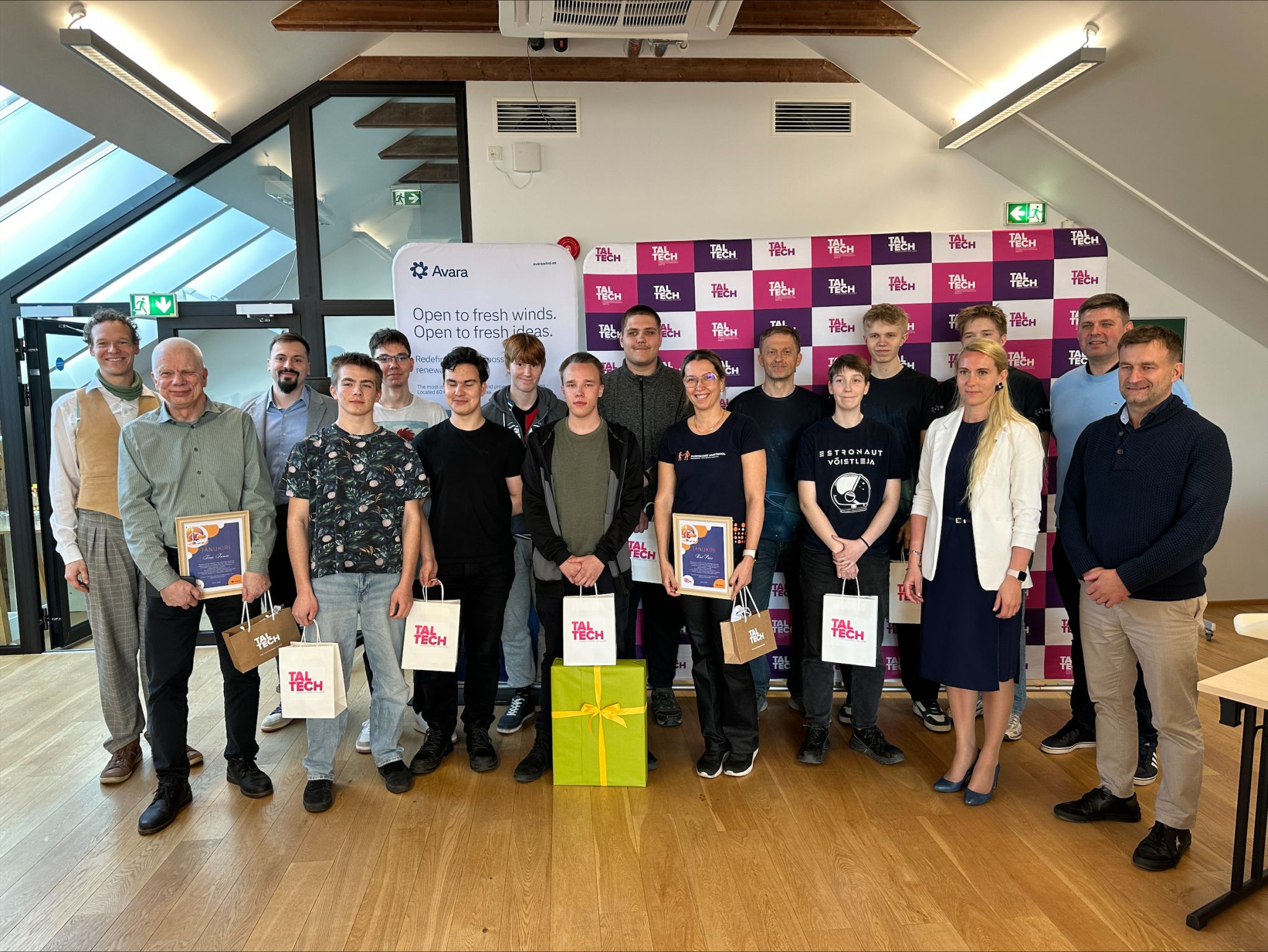
Koostöös Tallinna Tehnikaülikooliga (TalTech) korraldavad projekt Avara ja selle konsortsium võistluse „Floating Offshore Wind Youth Challenge“, mis leiab aset 4. kuni 31. märtsini 2026. See ülikoolidevaheline võistlus toetab õppimist ja pühendumist taastuvenergia sektoris. Pakkudes väljakutset, mis nõuab loovust, innovatsiooni ja kriitilist mõtlemist, võimaldab Youth Challenge osalejatel praktiseerida ja arendada oma inseneri- ja disainioskusi ning suhelda valdkonna ekspertidega.
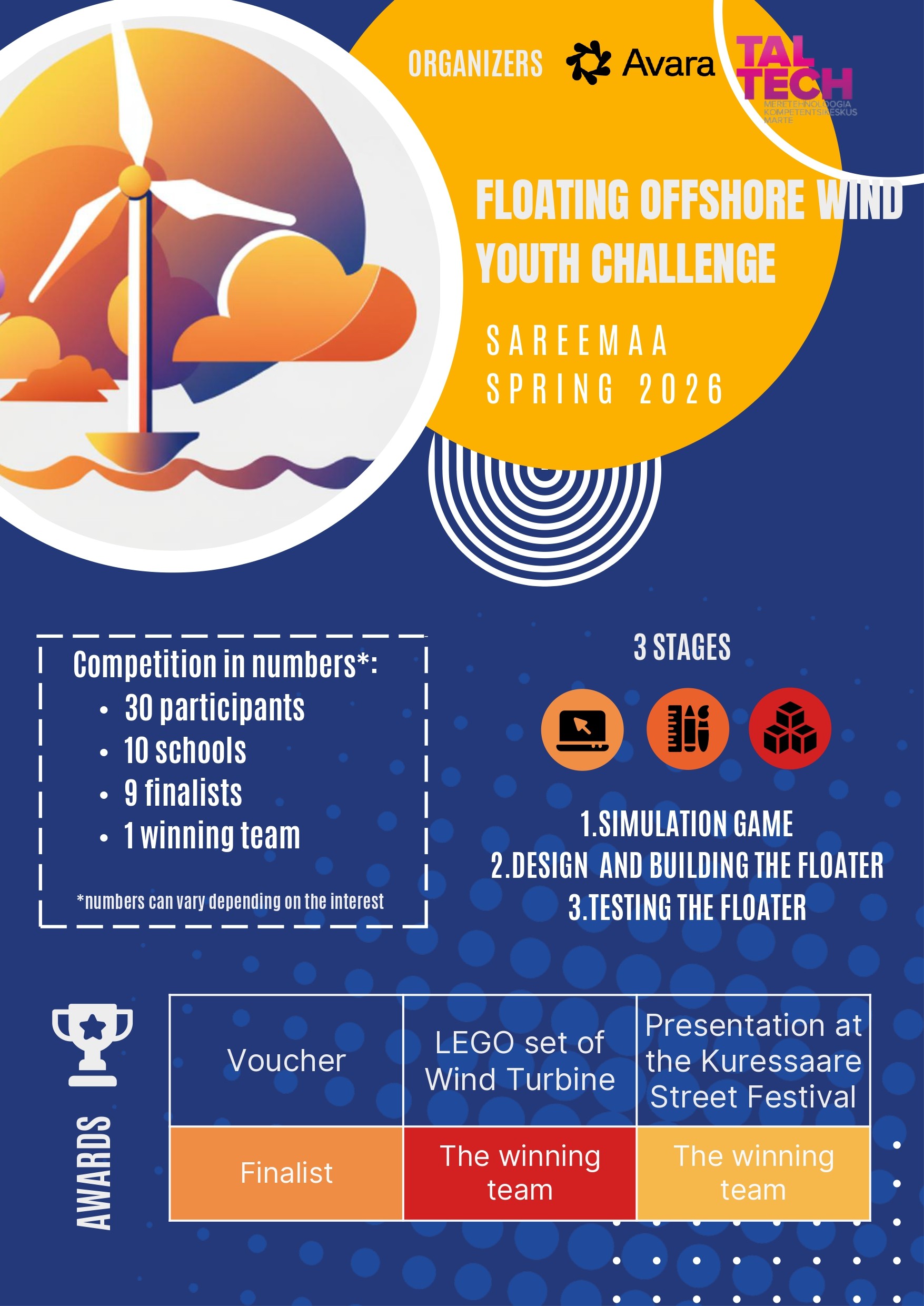
Võistlus kolmes etapis
Simulatsioonimäng: Selle 14-päevase etapi jooksul kasutavad osalejad simulaatorit, et luua ujuv platvorm, mis suudab kanda tuuleturbiini. See annab neile võimaluse õppida tundma eri tüüpi ujuvate avamere tuuleplatvormide tehnilisi näitajaid ja arendada multidistsiplinaarseid teadmisi (inseneeria, füüsika, matemaatika jne).
Disainitöötuba ja platvormi ehitamine: 16 päeva jooksul võtavad osalejad osa töötoast, kus nad töötavad rühmades, et optimeerida oma platvormi, muutes selle võimalikult stabiilseks ja tõhusaks. Ekspertide juhendamisel ehitavad nad ujuva avamere tuuleturbiini platvormi miniatuurse mudeli.
Platvormi testimine: See viimane etapp keskendub praktilisele rakendamisele, kus osalejad testivad oma platvormi selleks spetsiaalselt loodud basseinis Tallinna Tehnikaülikoolis. Selle etapi jooksul hinnatakse osalejate disaini stabiilsust ja toimivust.
Võistlus, mis keskendub avamere tuuleenergia kogemusele
Lisaks võistluslikule aspektile võimaldab see sündmus üliõpilastel avastada ujuva avamere tuuleenergia maailma nii teoorias kui ka praktikas. Nad õpivad võrdlema eri tüüpi platvorme, nende eeliseid, piiranguid ja tingimusi, milles neid tuleks kasutada. Seejärel projekteerivad ja ehitavad nad oma platvormid, lahendades samal ajal füüsikalisi väljakutseid, nagu tuul, lained, ujuvus ja stabiilsus.
Seda kogemust rikastab veelgi suhtlus teadlaste, inseneride ja valdkonna juhtidega, aidates osalejatel mõista sektori praeguseid suundumusi ja tulevikku ilma pelgalt teoreetilise õppega piirdumata.